A2WG
Women Leading the Change • Participant Spotlight

Ms.

Executive Director Maiduguri, Nigeria Group C WLC Mentor

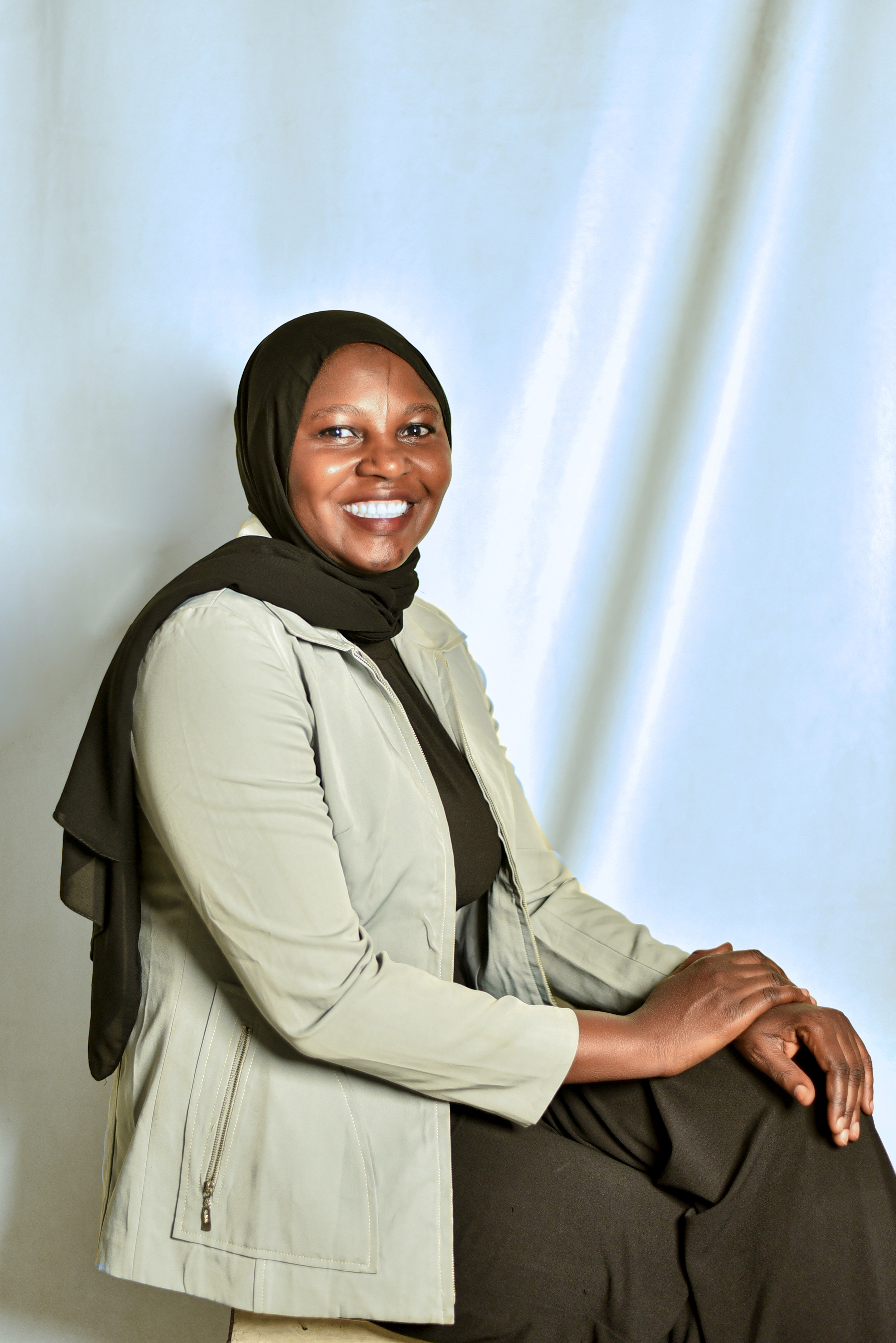
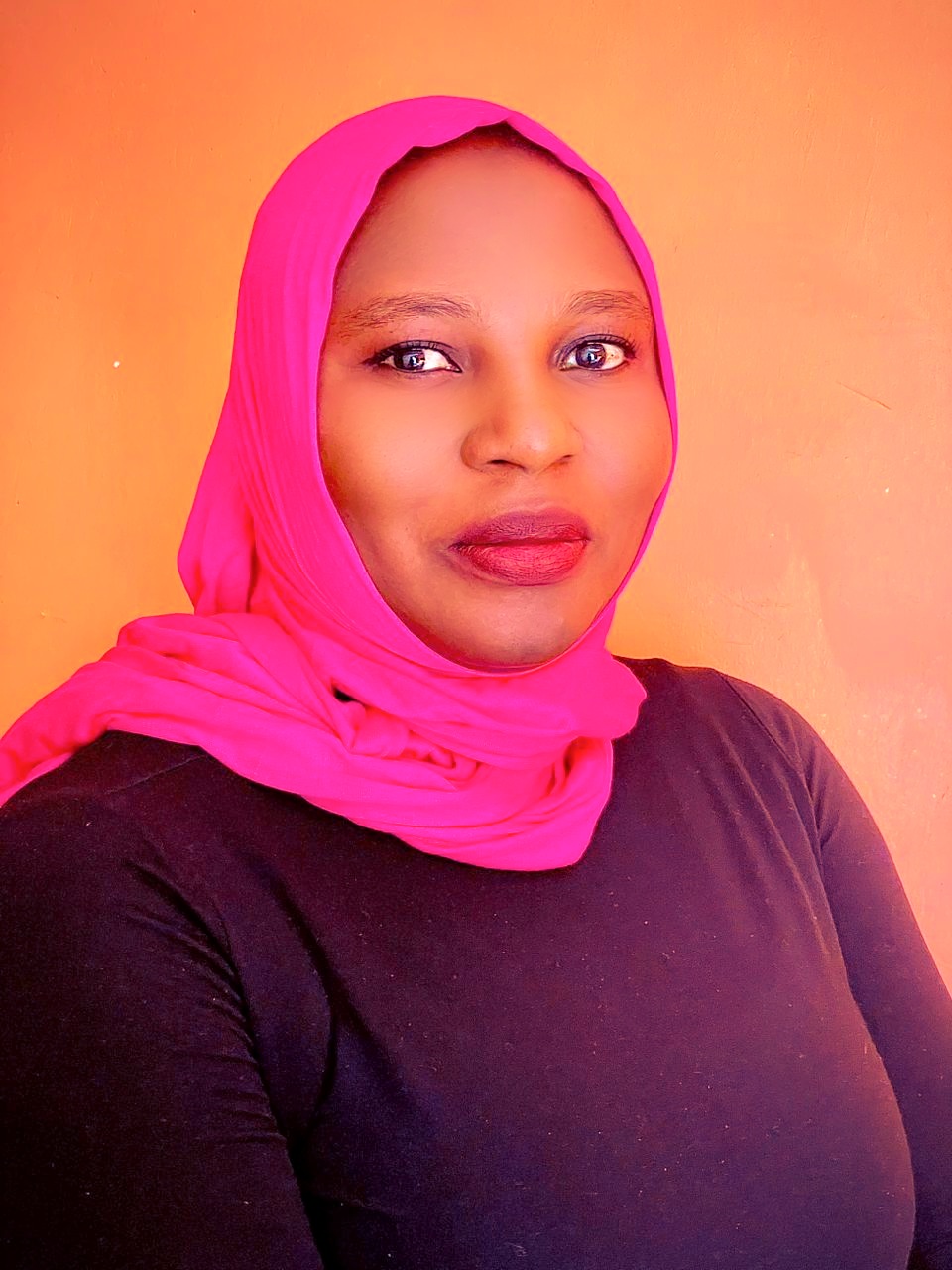
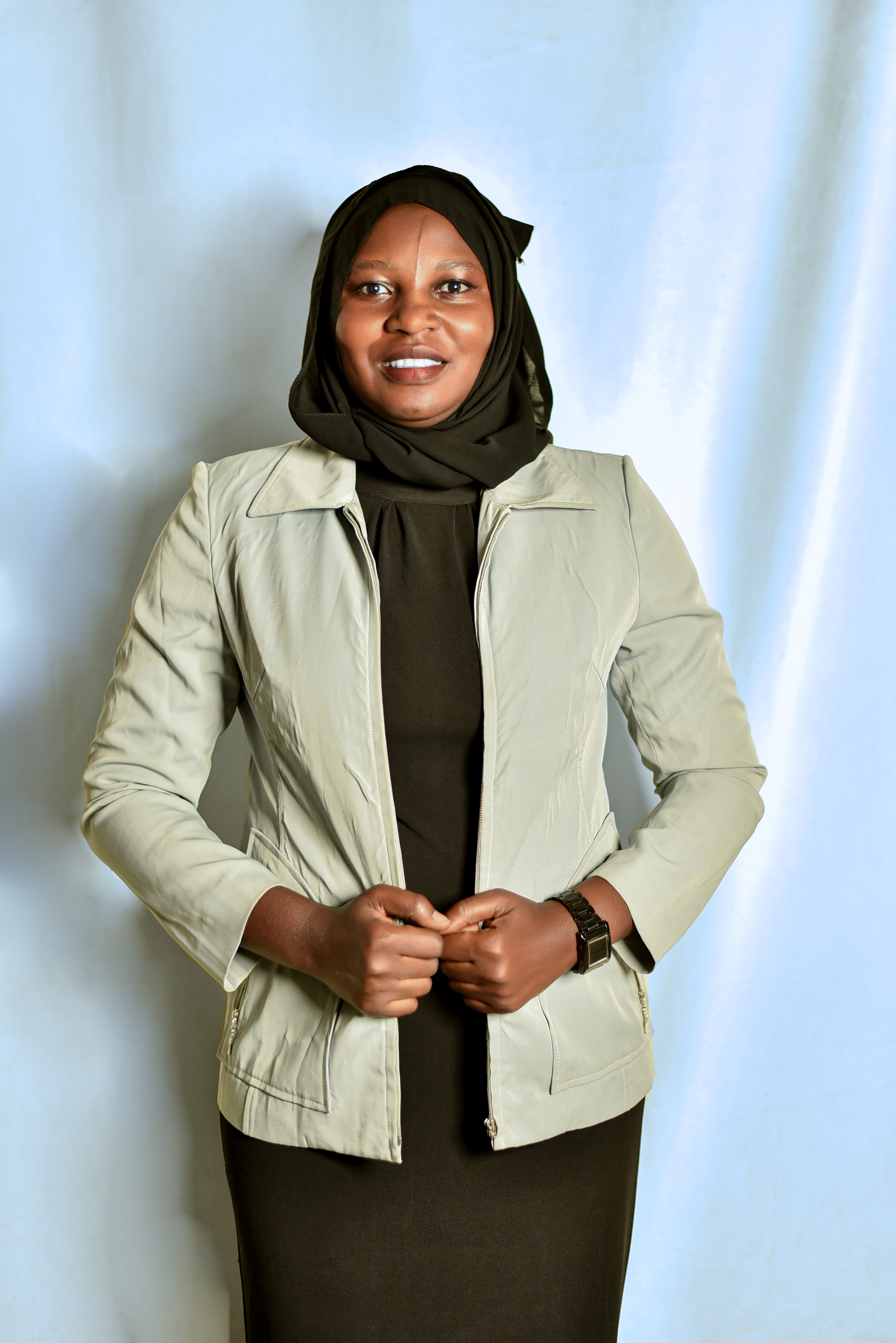
Hadiza Musa is a humanitarian and development practitioner whose journey is deeply rooted in the realities of growing up in Borno State, a region shaped by conflict, resilience, and hope. Witnessing firsthand the challenges faced by women, girls, and young people motivated her to dedicate her life to creating opportunities where they are often limited. Today, she serves as the Executive Director of Better Aid Foundation (BAF), leading programs that equip young people with digital skills, strengthen their emotional resilience, and open pathways to leadership and economic independence. Hadiza holds a Master’s degree in International Affairs and Diplomacy, complemented by international certifications including Monitoring and Evaluation from Washington University. Over eight years, she has contributed to transformative interventions in education, protection, agribusiness, governance, climate adaptation, and peacebuilding. Her passion lies in helping young people especially girls realize their potential, reclaim their confidence, and step boldly into leadership. As an entrepreneur and agribusiness consultant, she also works to build sustainable livelihoods in underserved communities. Motivated by the belief that every young person deserves a chance to thrive, Hadiza continues to advocate for justice, digital safety, inclusive governance, and community-driven development. Her work reflects her unwavering commitment to inspiring change, empowering voices, and building a future where no one is left behind.

Mentor Modalities
Available for mentorship within the WLC community.
Back to WLC Support WLC
Endorsements
26
Ms.
Education
MSc
Age range
25–34
Organization
Better Aid Foundation
Back the programme

Support the ecosystem behind each WLC profile.

Profiles are more than stories. They sit inside a broader A2WG model of leadership development, research visibility, endorsement-based credibility, and follow-up impact work.
What donor support unlocks
Leadership development
Research & manuscripts
Profile visibility
Post-cohort tracking
Photo gallery
Participant portraits
Photos are provided by the participant.
Ms.
Ms.
Ms.
Ms.
Ms.
Ms.
Ms.
Leadership focus
Key issues & motivation
Key issue(s)
I am deeply passionate about addressing digital gender gaps, ending gender-based violence, strengthening girls’ educational opportunities, and building women’s economic resilience. In my community, women and girls face multiple layers of vulnerability, limited digital literacy, harmful cultural norms that prevent them from full participation in public office leadership roles, early marriage, exclusion from decision-making spaces, and violence both offline and online. I am committed to empowering women and girls with knowledge, skills, and safe platforms where they can express themselves, access opportunities, and lead change.
Motivation
I am motivated to join the Women Leading the Change Cohort because I believe strong, confident, and well-equipped women leaders are essential to transforming communities especially, in conflict-affected regions like Borno State. As a woman leading a grassroots organization, I am constantly seeking opportunities to strengthen my capacity, expand my leadership reach, and deepen my advocacy for women and girls. This cohort offers a unique space to learn, connect with other women leaders, learn from their experts and experiences and gain advanced leadership tools, and amplify the impact of my ongoing work at Better Aid Foundation. Being part of a network that prioritizes women’s leadership and collective action will further empower me to champion meaningful change at both community and institutional levels.
Leadership philosophy
I define leadership as the ability to inspire, empower, and guide others toward a shared vision, while creating space for every voice to be heard. My leadership philosophy is grounded in empathy, inclusiveness, and service. I believe effective leadership begins with listening, understanding context, and modeling integrity. As a woman leading in a challenging environment, I prioritize collaboration, mentorship, and capacity building—especially for women and young people. For me, leadership is not about authority, but about influence, accountability, and the courage to advocate for communities that are often overlooked.
Research project
EVALUATING GENDER INEQUALITIES AND INCLUSION IN POLITICAL PARTICIPATION
Although Nigeria operates within a democratic system, women especially those residing in conflict-affected areas continue to experience limited representation in political and decision-making processes. In Northeast Nigeria, ongoing insecurity, displacement, restrictive gender norms, unequal access to education still exist in silence, and economic vulnerability significantly constrain women’s participation in governance at the community, local government, and state levels. These challenges not only marginalize women’s voices but also undermine inclusive governance, social cohesion, and sustainable peacebuilding. This research aims to examine the nature and extent of gender disparities in political participation within selected communities in Borno State. It will analyze the social, cultural, structural, and institutional barriers that hinder women’s involvement in political processes, including leadership positions, voting, civic engagement, and participation in formal and informal decision-making bodies. In addition, the study will explore women’s perceptions of political leadership, personal safety, access to political information, and availability of platforms that enable meaningful engagement. By prioritizing the lived experiences and perspectives of women and girls, the research seeks to produce evidence-based findings that can inform advocacy efforts, policy discussions, and program design led by women-focused organizations. The outcomes will support the development of strategies that advance gender-inclusive political participation, promote responsive governance, and strengthen leadership opportunities for women in fragile and conflict-affected settings.
Target beneficiaries
The primary beneficiaries of this research are women and adolescent girls living in underserved and conflict-affected communities in Borno State, particularly those who are excluded from political and civic participation. Secondary beneficiaries include women-led organizations, civil society groups, community leaders, and policymakers who require reliable evidence to advance gender-inclusive governance reforms.
Expected impact
Deeper insight into the structural and social barriers limiting women’s political engagement in fragile contexts Strengthened advocacy tools grounded in research evidence for women-led organizations Greater awareness among political and community stakeholders of the importance of women’s inclusion Clear, actionable recommendations to support gender-responsive political participation and leadership Expanded opportunities for women and girls to engage meaningfully in governance and decision-making processes
Achievements
Evidence of leadership & engagement
Achievements / recognitions
Serving as Executive Director of Better Aid Foundation, leading women, Adolescents and youth-centered initiatives across communities Northeast Nigeria. Coordinated and implemented programs focused on GBV prevention, digital inclusion, and youth empowerment in hard-to-reach communities Led digital literacy, leadership development, and resilience-building interventions for women and adolescent girls Contributed to third-party monitoring, research, and data-driven humanitarian programming initiatives.
Meaningful change
A significant moment in my leadership journey was spearheading a digital literacy and mentorship program for adolescent girls in rural communities in Borno State many of whom had never participated in structured learning environments. Through sustained engagement with parents, community leaders, and local stakeholders, we secured community buy-in that ensured safe participation for the girls. Over time, several participants emerged as peer mentors, youth advocates, and community representatives, demonstrating how targeted empowerment can transform confidence, shift social attitudes, and generate lasting community impact through economic empowerment.
Networks / associations
Yes. I actively participate in women-led civil society networks, digital literacy working groups, GBV coordination platforms, and humanitarian coordination forums at both community and state levels in Borno State. These networks enhance collaboration, collective advocacy, and shared action toward advancing inclusive development and women’s leadership
Evidence record
Verified outcomes after WLC
Verified outcomes will appear here as A2WG reviews and publishes them.