A2WG
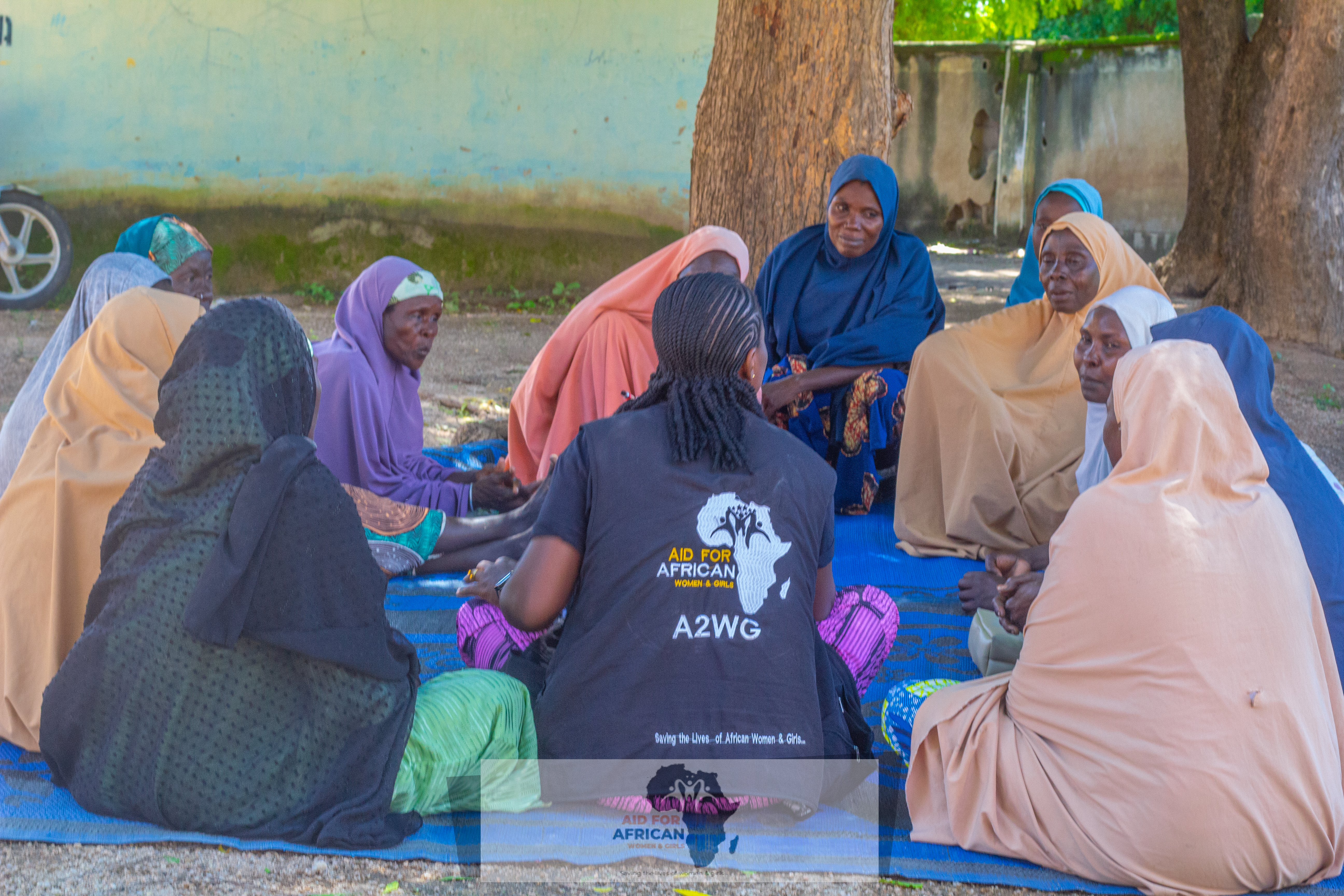
A2WG community engagement
Where We Work

Credible community presence across Nigeria and regional engagement in Cameroon.

A2WG's work is anchored in Nigeria, with documented community engagement in Adamawa, Borno, and Katsina, and regional experience in Mokolo, Far North Cameroon.

Operating posture

Specific communities, careful language, clear accountability.

This page presents A2WG's geographic footprint by naming the states, local government areas, towns, and communities where work has taken place. It is written to support donor confidence, partner clarity, and public accountability without overstating the organisation's presence.

Operating lens Nigeria and regional partnerships

Nigeria/Global

A2WG is rooted in Nigeria while building partnerships, evidence, and learning that connect to wider African realities.

The Nigeria/Global view brings A2WG's operating footprint together: community work in Northeast and Northwest Nigeria, regional learning in Cameroon, and a wider partnership approach shaped by women's rights, protection, leadership, health, education, and livelihoods.

Worked in
Adamawa State Borno State Katsina State Far North Cameroon
Focus areas
Women and girls protection Leadership and civic participation Community resilience Regional learning
Location note

This view gives partners and visitors a credible summary of A2WG's current geographic footprint.

Institutional base Nigeria

Adamawa

Adamawa is A2WG's operational home and one of its most defined community engagement areas.

A2WG's Adamawa work is anchored by direct familiarity with local communities, local government areas, and protection realities in Northeast Nigeria. The state also supports organisational coordination, administration, partnership engagement, and programme learning.

Worked in
Yola South Sangere Bode Community A Sangere Bode Community B Michika LGA Michika 1 Michika Central Madagali LGA Madagali Town Shuwa Gulak Mubi North Muchalla
Focus areas
S/GBV prevention and response Women and girls leadership Community mobilisation Local coordination
Location note

Head office and major community engagement base for A2WG.

Protection priority Nigeria

Borno

Borno is part of A2WG's protection-focused work in conflict-affected Northeast Nigeria.

In Borno, A2WG has worked in Gwoza LGA, a context where women and girls require protection-sensitive engagement, community resilience support, and careful coordination with local actors and partners.

Worked in
Gwoza LGA
Focus areas
Protection pathways Community resilience Safeguarding Humanitarian awareness
Location note

Engagement area for protection-sensitive programming and partnership work.

Northwest focus Nigeria

Katsina

Katsina reflects A2WG's attention to women and girls in Northwest Nigeria.

A2WG has worked in Jibia LGA, where community-centred engagement remains important for protection awareness, inclusion, livelihoods, education, and support to women and girls facing layered social and economic risks.

Worked in
Jibia LGA
Focus areas
Girls education Advocacy Livelihood pathways Community engagement
Location note

Focus area for Northwest Nigeria engagement.

Regional engagement Far North Cameroon

Cameroon

A2WG's Cameroon engagement connects regional learning with the realities of borderland communities.

In Cameroon, A2WG has worked in Mokolo, Far North Cameroon. This regional engagement strengthens learning around women's safety, community resilience, mobility, livelihoods, and cross-border realities affecting women and girls.

Worked in
Mokolo Far North Cameroon
Focus areas
Regional learning Women's safety Community resilience Cross-border relevance
Location note

Regional engagement area for practical learning and partnership development.

How we work across locations

Context shapes every engagement.

A2WG's location work is guided by community entry, local knowledge, safeguarding practice, partner coordination, and evidence. Each area has different needs, so the organisation keeps its geographic claims specific and accountable.

Community entry

Work is grounded in local relationships, community listening, and practical understanding of place.

Safeguarding

Protection, dignity, confidentiality, and responsible referral awareness remain central to engagement.

Evidence

Geographic work is strengthened through documentation, learning, feedback, and transparent reporting.