A2WG
Women Leading the Change • Participant Spotlight

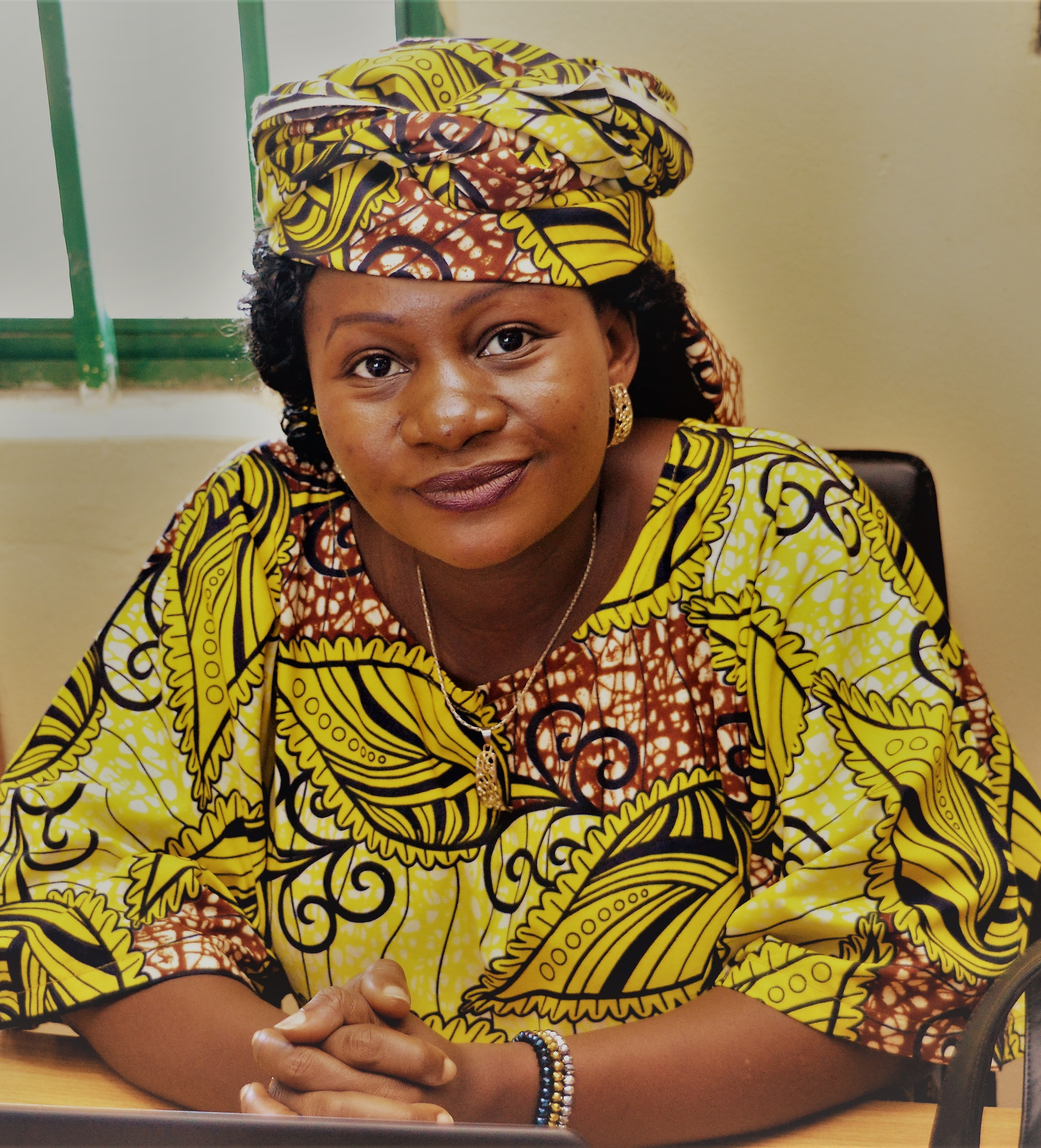
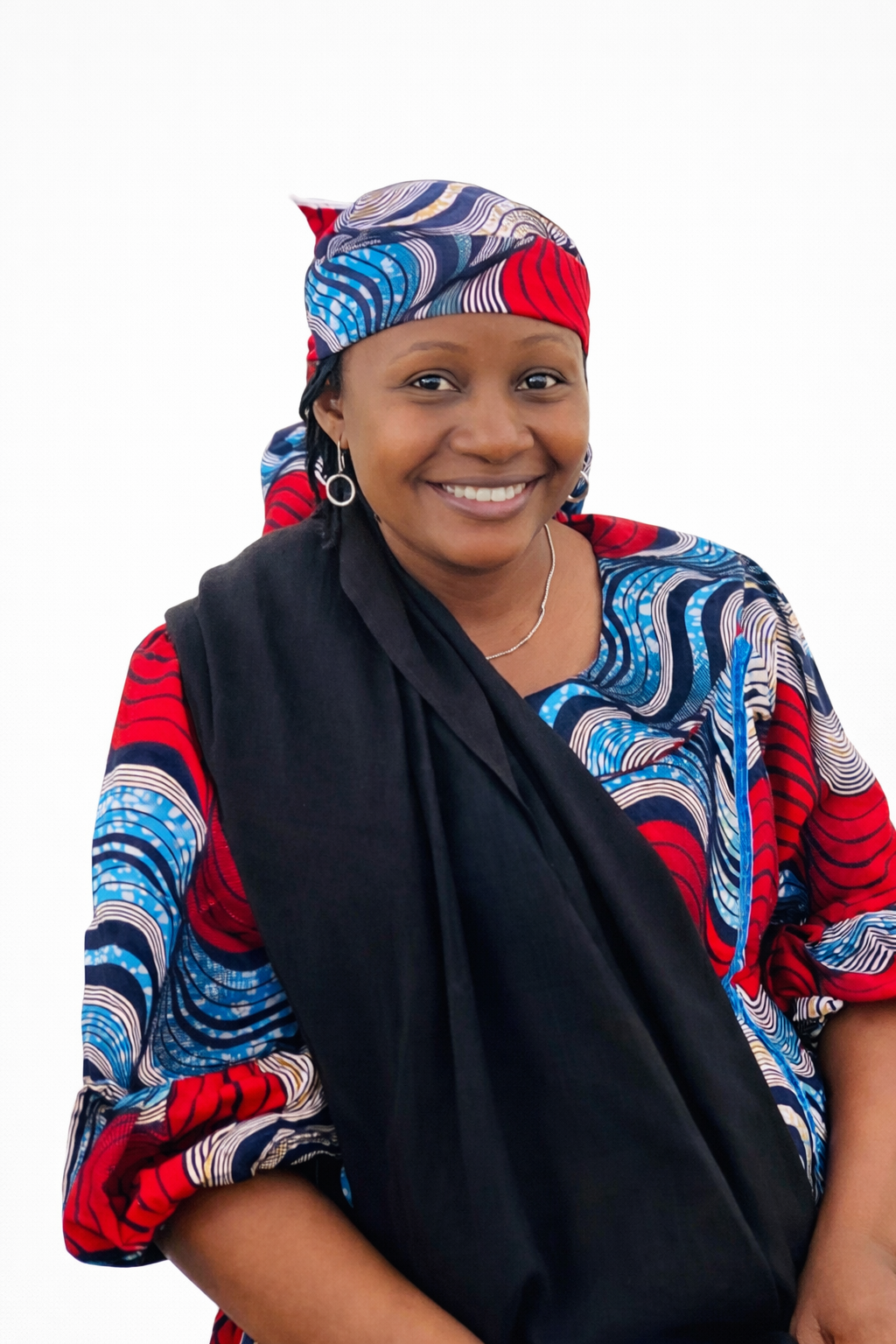
Adebukola Mariam Idris Fasanya

Programmes Manager Bauchi, Nigeria Group E WLC Mentor

Adebukola Mariam Idris Fasanya is a passionate development practitioner, Monitoring and Evaluation (M&E) specialist, and gender advocate with over six years of experience supporting women’s empowerment, community mobilization, and social change initiatives in Nigeria. Her work spans evidence-based programming, gender mainstreaming, community sensitization, data analysis, and advocacy against gender-based violence. She has worked with reputable organizations including Women for Women International, Young Leaders Network, Center for Earth Works, and Falkawa Women Initiative For Empowerment and Sustainable Development, where she has helped strengthen program accountability and amplify community voices particularly those of women and girls in underserved communities. A native of Ondo State, born, brought up and currently residing in Bauchi State, Adebukola is deeply committed to advancing women’s rights, strengthening systems that protect survivors, and promoting inclusive leadership. Her passion is rooted in real stories of resilience she encounters daily through her fieldwork, which inspire her dedication to creating safe, equitable, and supportive environments for women and girls.

Mentor Modalities
One-on-one mentoring Career and leadership clinic Guest facilitation / speaker support
Back to WLC Support WLC
Endorsements
54
Adebukola Mariam Idris Fasanya
Education
Bsc
Age range
35–44
Organization
FALKAWA WOMEN INITIATIVE FOR EMPOWERMENT AND SUSTAINABLE DEVELOPMENT
Back the programme

Support the ecosystem behind each WLC profile.

Profiles are more than stories. They sit inside a broader A2WG model of leadership development, research visibility, endorsement-based credibility, and follow-up impact work.
What donor support unlocks
Leadership development
Research & manuscripts
Profile visibility
Post-cohort tracking
Photo gallery
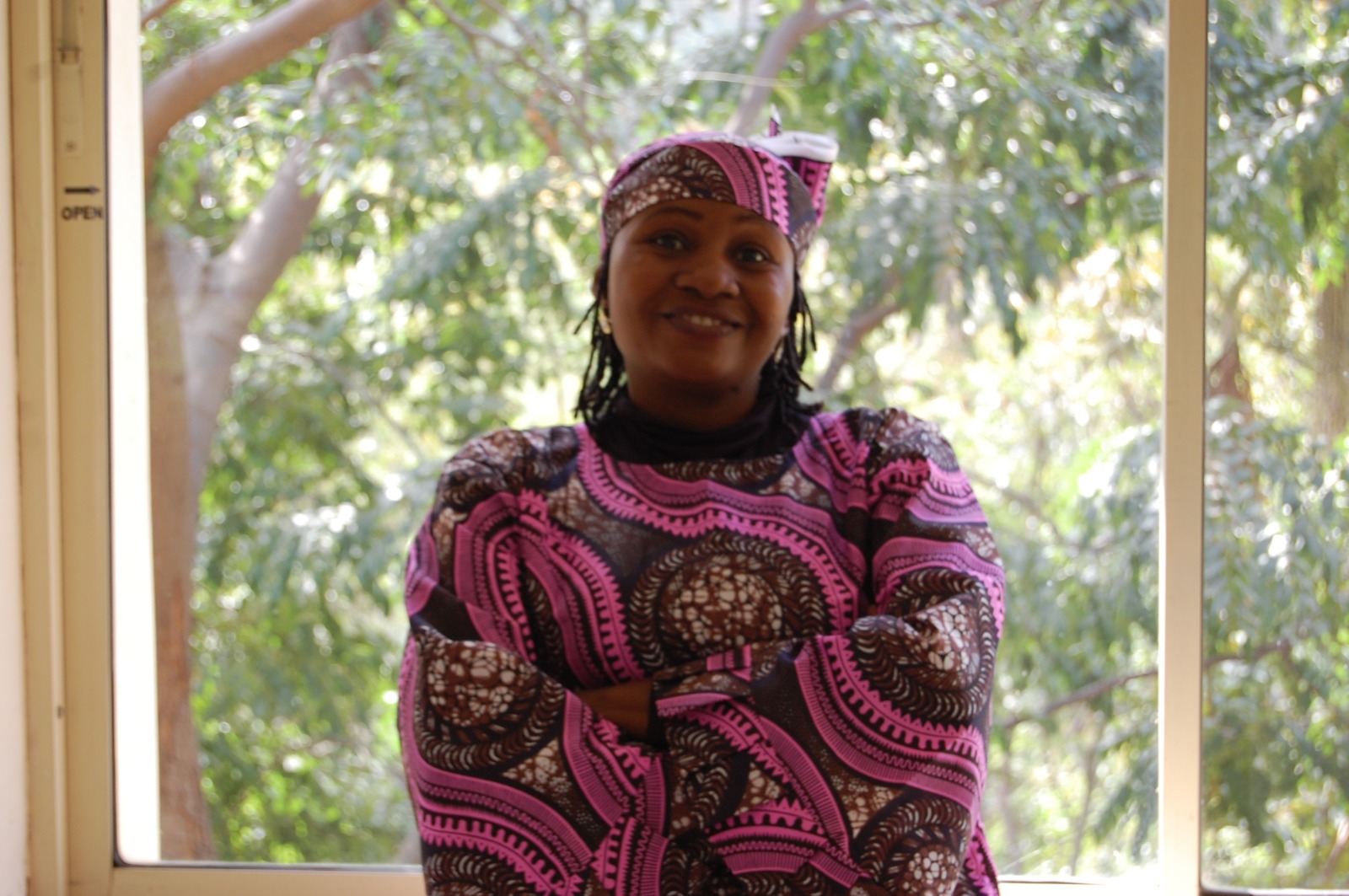
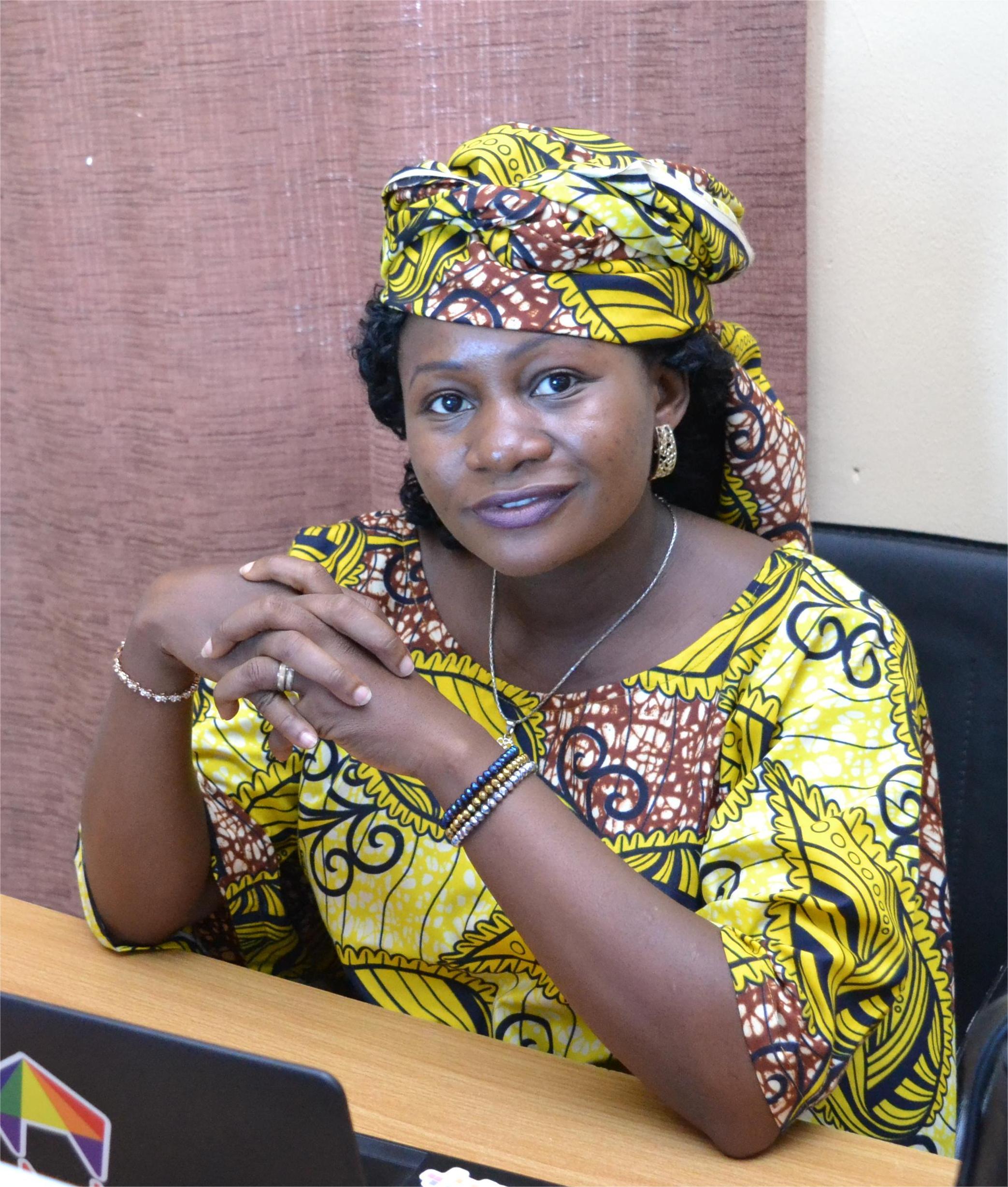
Participant portraits
Photos are provided by the participant.
Adebukola Mariam Idris Fasanya
Leadership focus
Key issues & motivation
Key issue(s)
-Women's marginalization in Leadership Spaces -Gender-based violence -Women’s economic empowerment -Harmful cultural norms -Access to education and skills -Community-level advocacy
Motivation
I am motivated by the desire to strengthen my leadership voice, expand my advocacy capacity, and connect with a network of women who are driving real transformation across Africa. This cohort offers a unique space to refine my skills and deepen my impact.
Leadership philosophy
I believe leadership is service guided by empathy, integrity, accountability, and the courage to influence positive change. To me, true leadership empowers others to rise, creates safe spaces, and models the values we hope to see in our communities which starts from the homes.
Research project
Evaluating the Impact of Strategic Communication on Women’s Participation and Representation in Civic Leadership Across the Six Geopolitical Zones of Nigeria.
Despite constituting nearly half of Nigeria’s population, women remain significantly underrepresented in civic leadership and decision-making spaces. Structural, sociocultural, and institutional barriers such as patriarchal norms, economic constraints, gender stereotypes, and political intimidation continue to limit women’s visibility, confidence, and participation. While civil society organizations, media actors, and development partners increasingly rely on strategic communication to promote women’s leadership, there is limited empirical evidence assessing how effective these communication efforts truly are. This study evaluates the impact of strategic communication on women’s participation and representation in civic leadership across Nigeria’s six geopolitical zones. Guided by Framing Theory and Feminist Communication Theory, the research adopts a mixed-methods approach, combining surveys, key informant interviews, and content analysis. Data were collected from a probability-based sample of 883 respondents, ensuring national representation. Quantitative analysis using chi-square and regression techniques was complemented by qualitative insights to capture lived experiences and contextual dynamics. Findings reveal high awareness of communication campaigns promoting women’s civic engagement, with social media emerging as the most influential communication channel. The study establishes a statistically significant relationship between exposure to strategic communication and willingness to participate in leadership. However, persistent sociocultural and institutional barriers continue to constrain women’s full participation. The study contributes evidence-based insights to inform more inclusive, culturally responsive, and effective communication strategies for advancing women’s civic leadership in Nigeria.
Target beneficiaries
-Women and girls across Nigeria, particularly those aspiring to civic and political leadership -Civil society organizations, women’s rights groups, and advocacy networks -Media practitioners and communication professionals - Policymakers, political parties, and governance institutions -Youth-led and community-based civic education groups
Expected impact
-Evidence-based understanding of how strategic communication influences women’s leadership participation -Improved design of gender-responsive and culturally sensitive communication campaigns -Increased public support and positive attitudes toward women in civic leadership -Enhanced gender-sensitive media framing and advocacy practices -Practical recommendations for policymakers and civil society actors to strengthen women’s representation in leadership.
Achievements
Evidence of leadership & engagement
Achievements / recognitions
-Coordinated GBV awareness campaigns and support networks. -Successfully managed M&E systems that improved program accountability and reporting -Facilitated community dialogues and sensitization sessions influencing positive behavioral change -Developed and drafted organizational policies, strengthening governance and institutional effectiveness.
Meaningful change
During a field engagement, I supported a community sensitization process that helped intervene in a domestic violence case, the survivor gained protection and justice, and her case inspired wider community discussions on violence against women. This reaffirmed the power of advocacy, awareness, and collective action.
Networks / associations
Member Women in Security, Peace and Diplomacy Network (WISPAD) Member Gender-Based Violence(GBV)/VAW Platform Member Monitoring and Evaluation Global
Evidence record
Verified outcomes after WLC
Verified outcomes will appear here as A2WG reviews and publishes them.